Architectural Synthetic Roof Covering vs Traditional Products in the Midwest
@riverooaz418
September 30, 2026 · 15 min read
Anyone that has spent a few years watching roof coverings age in the Midwest discovers rapidly that this area is ruthless. A roofing system here does not face one environment. It faces every one of them. January can bring ice dams, wind chill, and heavy snow remaining on the eaves for days. April typically supplies freeze-thaw swings and hard rainfall. Summer season bakes dark surface areas under strong UV direct exposure, after that rolls in hail storm and straight-line winds. Fall drops leaves into valleys and rain gutters, capturing wetness where weak materials start to fail.
That climate reality is the genuine background for the conversation around building artificial roof versus conventional materials. Home owners are no more selecting only on look or preliminary price. They are weighing weight, weather condition efficiency, upkeep cycles, installment intricacy, and how well a roof covering will still care for 10 or twenty Chicago-area winters. In higher-end neighborhoods, that conversation gets back at extra certain. People desire the aesthetic splendor of slate, cedar shake, or floor tile, yet they likewise want a system that does not punish them with consistent upkeep.
The increase of premium artificial roof covering is not a craze. It is a reaction to sensible problems that conventional roof products have constantly had, specifically in the Midwest.
What "building artificial roof covering" actually means
The term obtains utilized loosely, so it helps to define it. Building synthetic roofing normally describes engineered roof covering items created to replicate the appearance of all-natural slate, cedar shake, or clay tile while boosting impact resistance, minimizing weight, and simplifying installation. Depending on the supplier, these items may be made from innovative polymers, recycled composite blends, or other crafted materials.
Not all artificial roofing systems are created equivalent. Some are clearly entry-level options indicated to strike a rate factor. Others are true premium synthetic roofing items with deep accounts, shaped appearance, custom shade blending, and accessory items that create a completed, persuading roofline. The difference issues. A deal artificial tile might look flat and recurring from the street. A durable architectural item can deceive most individuals up until they are standing a couple of feet away.
In sensible terms, the most effective architectural artificial roofing systems aim to address a challenging formula. They attempt to protect the visual allure of tradition products while reducing a few of the responsibilities that feature them.
Why the Midwest transforms the equation
A roofing product that does well in a dry, temperate environment may dissatisfy severely in Illinois, Wisconsin, Indiana, or Michigan. The Midwest exposes weaknesses fast.
Natural cedar, as an example, can be beautiful. Fresh cedar shake has warmth and deepness that homeowners like. However on homes shaded by fully grown trees, especially near the lakeshore or in established suburban great deals, wetness retention comes to be a major issue. Shakes can cup, split, darken erratically, and invite moss or algae development. That does not mean cedar is an inadequate item. It suggests cedar needs the right environment and mindful upkeep, which not every house owner is prepared to provide.
Natural slate is an additional instance. Correctly sourced and mounted slate can last a long time. It lugs unrivaled stature. Yet slate is hefty, brittle under foot traffic, costly to fix, and ruthless of installment blunders. In the Midwest, where roofing replacement frequently complies with tornado occasions and insurance coverage timelines, searching for teams with real slate experience can be difficult. One misplaced step on a cold morning can fracture items that after that need specialized https://gregoryrnjl170.readspirex.com/posts/artificial-roofing-contractor-chicagoland-specialists-on-freeze-thaw-protection replacement.
Asphalt roof shingles, the default option throughout much of the area, fix some of these troubles yet introduce others. They come and familiar, and a quality architectural asphalt tile continues to be a practical roof for several homes. Still, Midwest hail, granular loss, thermal cycling, and wind direct exposure can shorten real-life efficiency compared to what home owners anticipate when they listen to a lengthy warranty term.
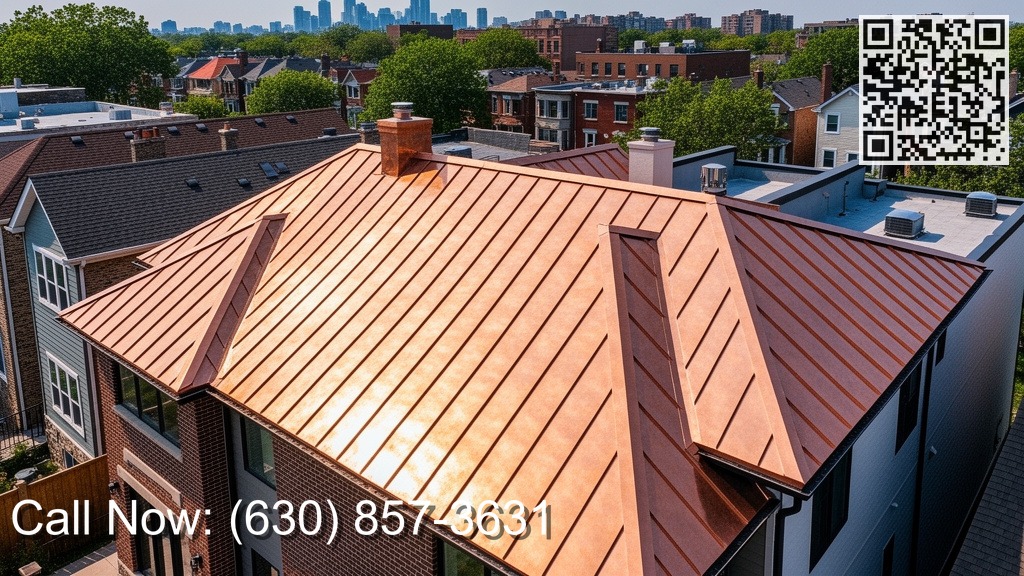
That is why residential synthetic roof covering has taken an expanding location in the market. It rests in between aspiration and practicality.
How synthetic roof covering contrasts to asphalt, cedar, slate, and tile
The greatest instance for artificial roof covering roof shingles is not that they beat every typical product in every category. They do not. The situation is that they commonly do better across the groups that matter most to Midwest homeowners.
Asphalt roof shingles still win on entry expense. If spending plan is the very first and overriding problem, asphalt stays one of the most common solution. A home owner changing a regular country roofing system after storm damages can commonly maintain prices within a familiar variety with laminated tiles. Yet the long-lasting picture can change if repeated fixings, much shorter life span, or visual limitations matter.
Cedar delivers beauty that is difficult to fake when it is new. On historical homes and particular architectural designs, it looks exactly appropriate. Yet its maintenance problem is genuine. In communities with heavy tree cover, I have seen cedar roof coverings begin revealing unequal wear well prior to owners expected it. As soon as splitting and dampness biking increase, the roof covering can go from "weathered and good-looking" to "weary and at risk" faster than lots of people are ready for.
Slate is still the benchmark for stature, but it brings architectural and logistical considerations. Some homes require support to sustain it. Repair needs experienced hands. Blinking information end up being critical. The product itself can outlive several other elements of your home, but just if the entire system is treated with that said very same degree of care.
Clay and concrete ceramic tile are less typical in the upper Midwest than in warmer areas, partly due to style fit and partly since freeze-thaw conditions can be punishing. Ceramic tile likewise adds weight and intricacy, and it does not make good sense on every roofing system structure.
Architectural artificial roof covering gets in that mix as a lower-weight, typically impact-rated option that can resemble slate or tremble convincingly while enduring Midwest weather much better than many owners expect. A well-chosen artificial roofing system substitute can supply the visual declaration of a luxury roofing system without compeling the home to lug the structural lots or the same upkeep needs of all-natural materials.
Appearance, and the inquiry homeowners seldom ask correctly
Most individuals ask whether artificial roofing looks "actual." That is easy to understand, but it is not quite the right inquiry. The much better inquiry is whether it looks ideal on the house.
A fantastic roof covering is not simply an isolated item. It has to fit the scale, design, house siding texture, masonry shade, window trim, and also the account of the rain gutters and blinking. Some synthetic items have heavy darkness lines and differed widths that suit a Tudor, French nation, or lakefront customized home beautifully. Others look too consistent for a premium construct and can actually lower the exterior if the pattern repeats too obviously.
This is specifically crucial with synthetic roof for deluxe homes. Buyers on top of the marketplace notification information. They may not identify the maker from the driveway, yet they can tell when a roof really feels flat, glossy, or disproportionate. The best premium synthetic roof covering items avoid that problem by blending widths, staggering reveals, and using combined pigmentation that appears like all-natural aging instead of a factory-printed monotone.
In areas such as Naperville, Hinsdale, Lake Woodland, and components of the North Shore, roof covering option commonly converges with design evaluation requirements, community assumptions, and resale positioning. A property owner searching for synthetic roof covering Naperville IL is often not seeking the most affordable roofing readily available. They are looking for the right aesthetic result with less frustrations over time.
Weight issues greater than lots of people realize
Structural lots is not an extravagant subject, however it drives many roof choices behind the scenes. Natural slate and ceramic tile can weigh several times more than asphalt or lots of synthetic alternatives. On a brand-new personalized construct, an architect and designer can plan for that from the first day. On an existing home, the story is different.
I have seen house owners fall for the look of slate, only to learn that bringing their mounting up to the essential capacity would certainly add a substantial price prior to a single roofing tile was installed. That kind of discovery can derail a job quick. Artificial roofing systems usually maintain the wanted appearance while staying clear of reinforcement work.
Lower weight additionally helps in subtler means. It can lower stress and anxiety on older framing participants, simplify staging and managing on site, and make certain roof covering styles more practical to implement. It does not remove the requirement for skilled labor, yet it widens what is feasible on an existing Midwest home.
Hail, wind, and influence resistance
This is where synthetic roofing systems frequently make their maintain. In the Midwest, tornado efficiency is not academic. Hail insurance claims are common sufficient that homeowners and insurance companies both pay attention to effect resistance ratings.
Many premium artificial roof covering items are engineered to attain high effect resistance, often better than all-natural slate or cedar, which can break, split, or swelling under hail storm. That does not imply a synthetic roofing system is indestructible. Big enough hail can damage practically anything. Yet on equilibrium, durable synthetic materials have a tendency to soak up effect much more forgivingly than brittle natural products.
Wind efficiency is also significant in open rural growths and on homes near areas, golf courses, or lakefront exposures. Typical products can fall short at fasteners, sides, or individual items when uplift forces discover a powerlessness. A correctly designed artificial roof covering setup, coupled with the proper underlayment and accessory parts, can perform effectively in those conditions.
The catch is "appropriately made." A costs product set up carelessly will not live up to its pledge. That is why the selection of artificial roofing contractor matters almost as long as the material itself.
Installation quality is not a side issue
Homeowners sometimes shop roof covering products as if installation were compatible. It is not. An artificial roof firm that understands the product, local code requirements, incline shifts, air flow, blinking information, snow and ice patterns, and manufacturer-specific devices will certainly generate a significantly various result than a crew trying the material for the second or third time.
This shows up typically in synthetic roof Chicago projects. Chicago and the surrounding suburbs have a significant variety of housing stock, from compact bungalows to steep-roofed historical homes to big customized homes with complicated valleys, dormers, and intersecting roofing system airplanes. Artificial products can manage that variety well, yet just if format and describing are done thoughtfully.
An experienced artificial roofer Chicagoland house owners count on will generally begin by looking past the surface area material. They review attic ventilation, deck problem, flashing at stonework transitions, gutter method, ice-and-water security, and whether snow guards or particular accessory items make sense. They additionally focus on visual details. Exposure lines, starter placement, ridge treatment, and color option can make the distinction in between a roofing system that looks improved and one that just looks expensive.
When people work with synthetic roof covering installers based just on the lowest quote, troubles tend to appear in the information initially. Misaligned training courses, awkward valley shifts, inexpensive blinking metals, and inconsistent attachment patterns have a means of appearing within a couple of seasons.
Maintenance truths over time
One of the greatest debates for artificial roofing system substitute is reduced upkeep compared to all-natural cedar or slate. That disagreement is typically reasonable, however it needs to be stated carefully.
Synthetic roofings are reduced maintenance, not no upkeep. Gutters still need cleaning. Valleys still gather particles. Flashings still are entitled to regular evaluation. Sealants around associated roof covering infiltrations will certainly not last forever even if the field product is artificial. Branches scuffing the roofing can still produce aesthetic wear. Ice dam concerns can still establish if the attic is inadequately shielded and ventilated.
What adjustments is the vulnerability of the field material itself. An artificial slate or drink item is normally less likely to divide, rot, delaminate, or crack under common seasonal stress than natural wood or rock options. For lots of property owners, that reduced maintenance profile is the factor. They want the building appearance without needing to baby the roof.
Cost, and where individuals commonly misinterpret value
It is very easy to contrast roof proposals by considering the total at the bottom of the page. It is harder, and better, to compare value over twenty or thirty years.
Synthetic roofing systems usually cost a lot more ahead of time than conventional asphalt tiles. They normally cost less than top-tier all-natural slate or premium cedar setups, specifically when you factor in architectural reinforcement, specialized labor, and long-lasting upkeep. That positions building artificial roof covering in a middle-to-upper tier that interest homeowners planning to stay put, maintain appearances, and reduce lifecycle headaches.
The blunder I see most often is dealing with every artificial choice as if it belongs in the exact same container. It does not. There is an actual spread in item high quality, thickness, realistic look, service warranty terms, and accessory completeness. Some suppliers use robust system-based plans. Others mainly offer field tiles and leave installers to improvisate edge and detail problems. That can influence both appearance and durability.
For a homeowner contrasting propositions, the most helpful inquiries normally entail the entire system, not just the visible shingle or tile.
- What underlayment bundle is included, especially at eaves, valleys, and penetrations?
- Are flashings being changed entirely, or reused where convenient?
- Does the installer have purposeful experience with this certain artificial product?
- Are ridge, hip, and starter accessories matched to the system?
- How will certainly ventilation be dealt with as component of the replacement?
Those solutions commonly reveal more concerning lasting value than the material tag alone.
Where standard products still make sense
It would certainly be lazy to claim synthetic roofs are always the most effective answer. They are not.
For a rigorous historical remediation, natural products may be called for or just better. Some landmarked homes should have real slate or cedar because that is part of their architectural identification. In other instances, a homeowner may really value the aging and aging qualities of all-natural materials, even knowing the additional maintenance they bring.
Budget additionally matters. If a household requires a reputable roofing system at the most manageable ahead of time price, a well-installed asphalt system might be one of the most reasonable selection. There is absolutely nothing inherently incorrect with that said. Roof covering decisions must fit both your house and the house owner's priorities.
There are also style restrictions. Some homes do not benefit from a synthetic slate or tremble account because their architecture is also plain, as well low-pitched, or too small in scale for that material language to look natural. A roof ought to elevate your home, not costume it.
Where synthetic roof covering often tends to shine
The greatest prospects for property synthetic roof are homes where look matters, storms are a problem, and the owner desires a longer-term product without the weight and maintenance of typical luxury products.
That often includes customized homes, upper-end suv houses, remodelled historic-looking homes, and houses with complicated roofing system geometry where cedar or slate would certainly drive prices greatly greater. It likewise includes home owners that have already lived through the disadvantage of one more material. Somebody who has actually changed storm-damaged asphalt twice in fifteen years, or spent years preserving an aging cedar roofing, has a tendency to comprehend the appeal quickly.
In the Chicago area, synthetic roof have actually discovered a particularly good fit on homes that desire the aesthetic personality of old-world products while standing up far better to hail, wind, and winter months dampness. That is true from city communities with masonry-heavy style to western residential areas where huge homes sit subjected to weather across open lots.
Choosing the best contractor in the Midwest
The material choice and the contractor choice must happen with each other. A terrific product on the incorrect house, or in the incorrect hands, can disappoint. A thoughtful specialist narrows that danger by matching item, slope, flashing strategy, air flow, and aesthetic details to the actual property.
A capable synthetic roofer must have the ability to clarify why one product is a much better fit than another without getting on sales clichés. They must talk comfortably about freeze-thaw conditions, ice protection, attic room airflow, ridge information, snow dropping behavior, and serviceability years down the road. They ought to additionally have a profile with homes comparable to yours, not just common maker photos.
For property owners contrasting an artificial roof covering firm versus conventional roofers that just sometimes install synthetics, experience matters. This classification of roofing is mature enough now that there is no reason to approve on-the-job experimentation.
The Midwest verdict
Architectural artificial roof has actually gained its location because it answers a genuine regional need. It gives homeowners a means to record the depth and distinction of slate, shake, or ceramic tile appearances without absorbing every downside those products can lug in a Midwest environment. It is not the most affordable path, and it is not constantly the most traditionally genuine path. Yet it is usually the most balanced one.
For several homes, particularly those seeking costs curb appeal and sensible resilience, artificial roof coverings offer a compelling middle course. They lower weight, frequently boost influence resistance, and reduced routine upkeep while preserving a premium architectural look. When paired with a solid style fit and a regimented synthetic roofing setup, the result can be a roofing system that feels both considerable and sensible.
That balance is what makes synthetic roof Chicago homeowners progressively request, and what maintains it expanding throughout the more comprehensive region. In a climate that reveals every weakness one way or another, equilibrium matters. A roof covering needs to look right, yet it also has to keep confirming itself after the novelty is gone, after the tornados come through, and after an additional wintertime settles over the Midwest.
When Quality Matters
Salvo Architectural Roofing Contractors
566 West 5th Ave Naperville, IL 60563
(630) 857-3631
 Ask ChatGPT
 Ask Grok
 Ask Perplexity
 Ask Claude
 Ask Google AI
 Ask You